Why Kalpitiya Lagoon Villas Stand Out
Jun07

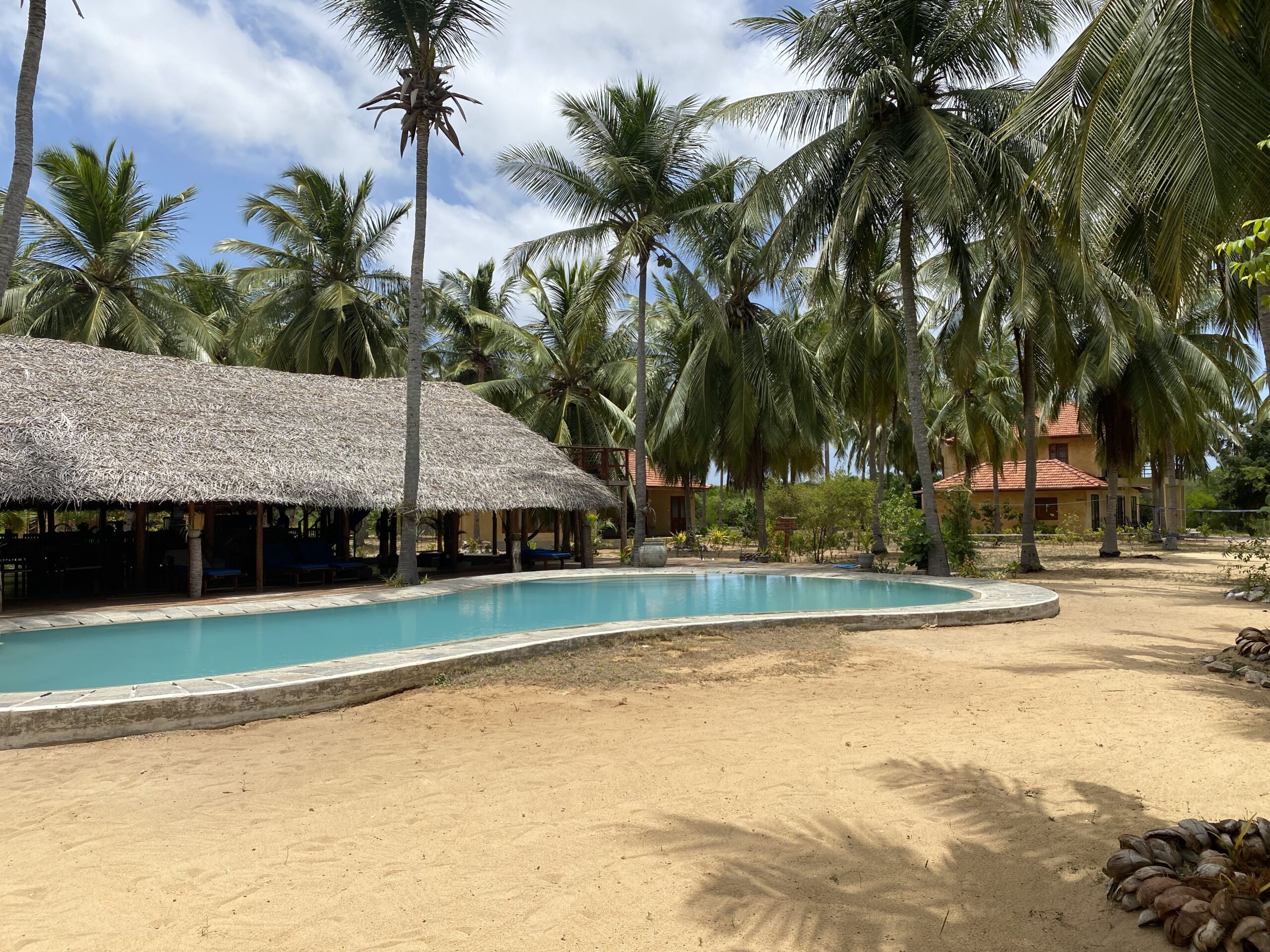
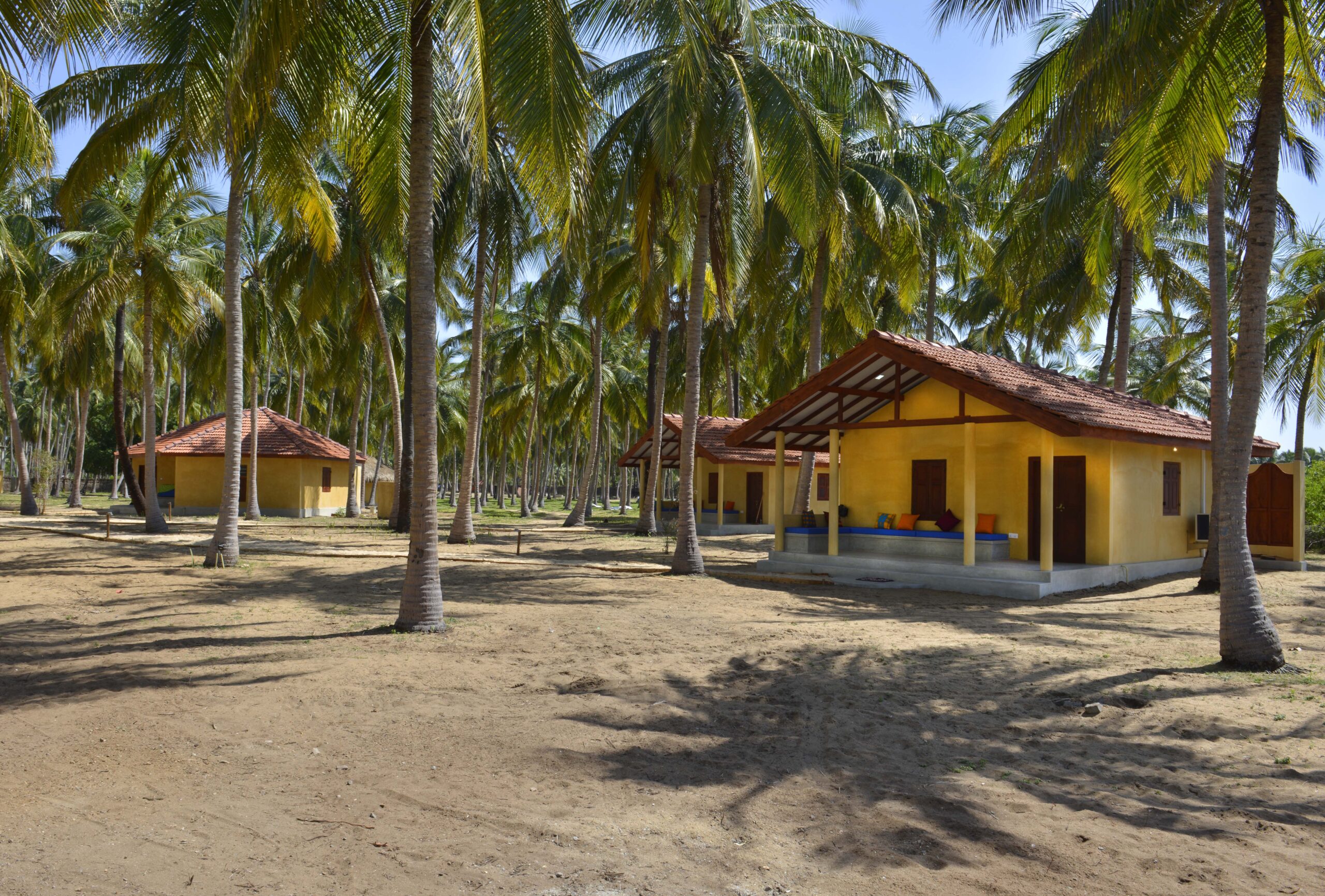
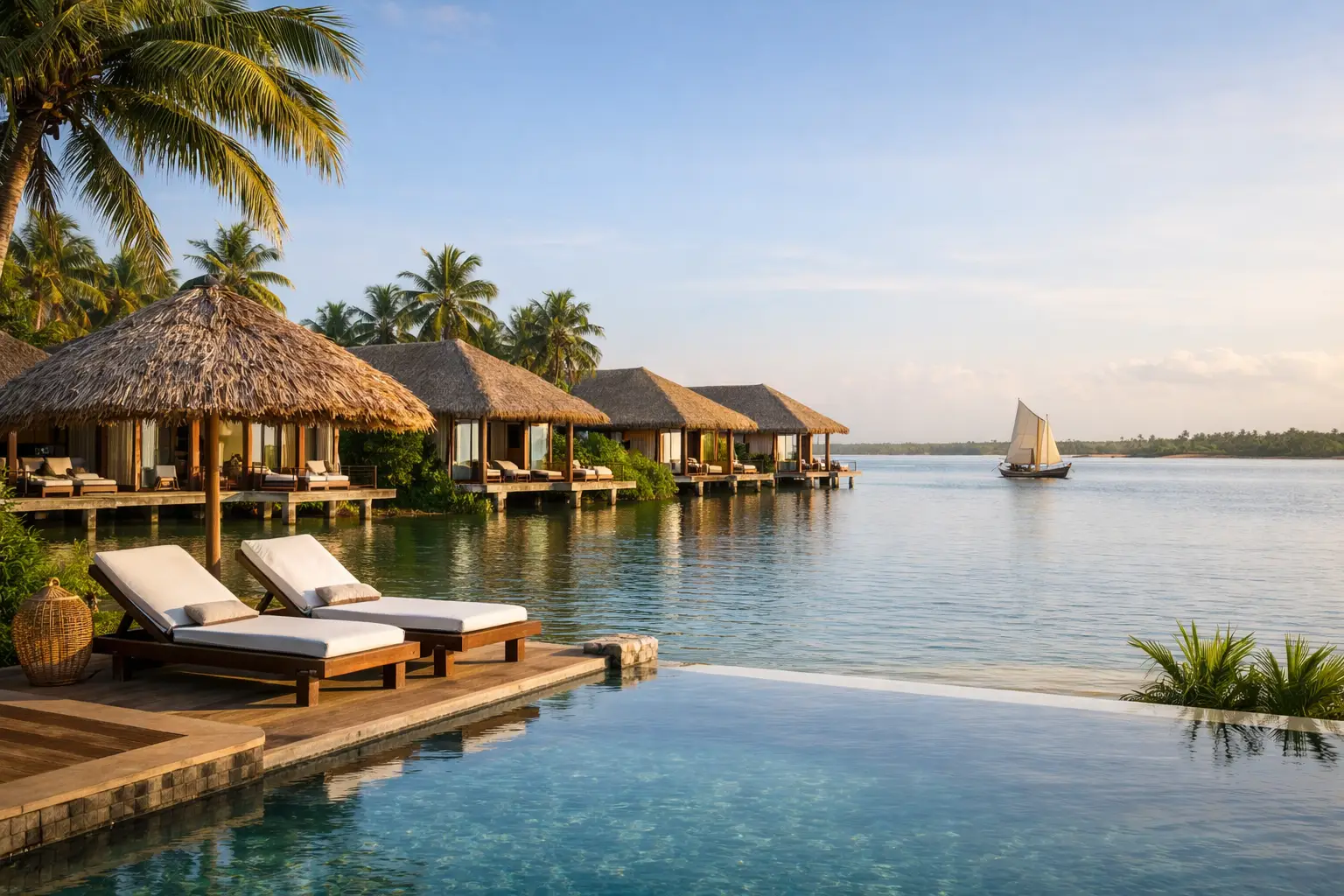
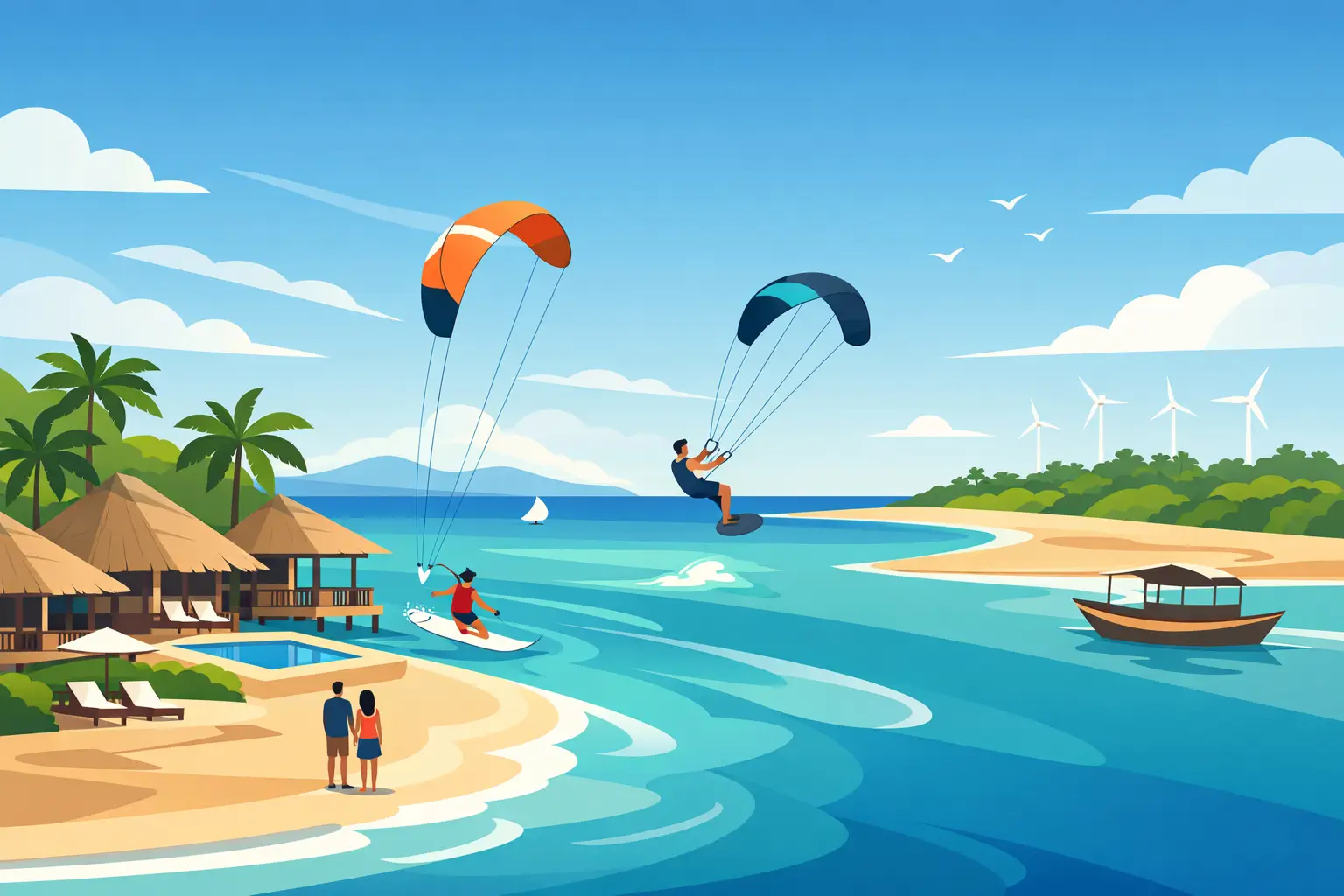
The best stays in Kalpitiya are not always the ones closest to the loudest stretch of beach. They are the places where mornings begin with still water, where the breeze picks up just enough to promise an active day ahead, and where coming back to your room feels like part of the holiday, not just a pause in it. That is exactly why kalpitiya lagoon villas appeal to so many travelers – they place you in the calm, scenic heart of the destination while keeping adventure within easy reach.

For some guests, that means stepping out for a kite session on world-known flat water. For others, it means coffee by the pool, an unhurried breakfast, a boat ride later in the day, and a quiet evening with good food. The real value of a lagoon-front villa is that it supports both kinds of travel at once.

What makes Kalpitiya lagoon villas different

Kalpitiya has a distinctive rhythm. It is less about crowds and more about space, wind, water, and long, open views. A villa stay fits that rhythm better than a standard room-only experience because it gives you more privacy, more room to settle in, and a stronger sense of being connected to the landscape.

Lagoon-facing accommodations tend to feel calmer than busy beach strips. The water is gentler to look at, the setting is quieter, and the atmosphere suits travelers who want to unwind without feeling isolated. You are still close to the destination’s headline experiences, but your base feels restful rather than busy.

That balance matters. Many guests coming to Kalpitiya are not choosing between a resort holiday and an activity holiday. They want both. A well-designed villa stay makes that possible by combining comfortable interiors, outdoor space, and easy access to the water.

Who should book a lagoon villa in Kalpitiya

Couples often choose villas for the privacy and slower pace. There is more room to relax, and the setting naturally feels more intimate than a typical hotel block. If the trip is part of a honeymoon, anniversary, or simply a long-overdue break, a lagoon view adds a quiet sense of occasion without trying too hard.

Families usually appreciate the extra space most of all. Children have more room to move, parents are not squeezed into a tighter layout, and the overall stay feels easier. When a trip includes swimming, boat rides, kayaking, or a day out watching dolphins, having a spacious place to return to makes a noticeable difference.

Adventure travelers are often drawn in for another reason. They want direct access to the experiences Kalpitiya is known for, but they do not want to compromise on comfort. After kitesurfing, diving, snorkeling, or a day in the sun, a villa offers the kind of recovery that an active holiday genuinely benefits from – a proper bed, a quiet setting, a pool, a good meal, and room to breathe.

Small groups also tend to find lagoon villas a smart choice. The stay feels more social and more private at the same time, especially when shared around a common outdoor area or within a resort that gives everyone access to dining and leisure spaces.

The experience goes beyond the room

The word villa suggests space, but in Kalpitiya the appeal is not just square footage. It is the way accommodation connects with the destination. The best villa stays make it easy to move between rest and activity without friction.

You may start the day with yoga, spend late morning by the water, head out for kite lessons or a kayak ride, then return for lunch and a slower afternoon by the pool. Later, dinner becomes part of the experience rather than something you need to leave the property to find. That flow is what many travelers are really booking when they search for a higher-end lagoon stay.

A strong resort setting improves villa travel in practical ways too. On-site dining matters more than people expect, especially after active days. A pool bar adds a social, relaxed touch. Organized excursions save time and remove the stress of arranging everything separately. Guests who want comfort usually also want convenience, and the two should come together naturally.

What to look for when comparing Kalpitiya lagoon villas

Not every villa stay offers the same kind of holiday. Some properties lean heavily into seclusion, which can be ideal if you want complete quiet, but less useful if you also want dining, activities, and service at hand. Others are better positioned for travelers who want a fuller resort experience.

The first thing to look at is location within Kalpitiya itself. A lagoon-front setting gives you those signature views and calm surroundings, but proximity to kite spots, boat departures, and excursion access also matters. If your trip includes water sports or marine activities, being well placed saves time every day.

Next, consider how the accommodation supports your style of travel. A couple may prioritize privacy, design, and atmosphere. A family may care more about layout, easy pool access, and comfort after excursions. An active traveler may value gear support, transport coordination, and staff who understand the pace of a sport-based vacation.

Amenities are worth weighing carefully. Airy interiors, quality bedding, shaded outdoor space, a pool, fresh dining, and attentive service all shape how restorative the stay feels. The difference between a place that is simply scenic and one that feels truly easy can come down to these details.

It is also smart to think about how much of your trip you want under one roof. Some guests prefer to book only a room and figure out the rest as they go. Others want the simplicity of staying where they can also arrange lessons, rentals, boat rides, snorkeling, and other experiences. Neither approach is wrong. It depends on whether your priority is spontaneity or convenience.

Why lagoon villas work so well for active holidays

Kalpitiya is one of those rare destinations where relaxation and movement sit side by side. That is especially true for kitesurfers, who may come for the wind but quickly realize the trip is better when the stay is comfortable enough to support recovery and downtime.

A villa gives active travelers a softer landing. Early starts feel easier in a spacious, quiet setting. Midday breaks are more enjoyable when there is a pool or shaded terrace waiting. Evenings become part of the holiday instead of an afterthought.

This matters for beginners too. If you are trying kiteboarding for the first time, or adding in snorkeling, diving, or kayaking between slower resort moments, the trip can feel full. Comfortable accommodation helps keep it enjoyable rather than tiring. You are not racing through a packed itinerary. You are staying somewhere that lets the whole destination unfold at a better pace.

That is one reason travelers often return to resorts that combine premium stays with curated experiences. At a property like Kitelantis, the appeal is not only the villa itself, but the way the stay connects naturally with dining, pool time, instruction, excursions, and the wider beauty of Kalpitiya.

The atmosphere guests remember

Long after the flight home, people rarely remember every fixture in a room. They remember how a place felt. In Kalpitiya, that feeling often comes from the mix of quiet lagoon views, tropical light, warm hospitality, and the freedom to make each day as relaxed or as active as they want.

That is why lagoon villas hold their appeal. They suit travelers who want more than a bed near the water. They want a setting that feels private but not cut off, scenic but still practical, and comfortable without losing the sense of place.

For some, the best part will be a sunrise over the lagoon before the day begins. For others, it will be coming back after hours on the water to a cold drink, a swim, and dinner under the evening sky. If your idea of a Sri Lanka escape includes both comfort and experience, kalpitiya lagoon villas are a very good place to start.
Where to Stay in Kalpitiya for Every Trip
Jun06

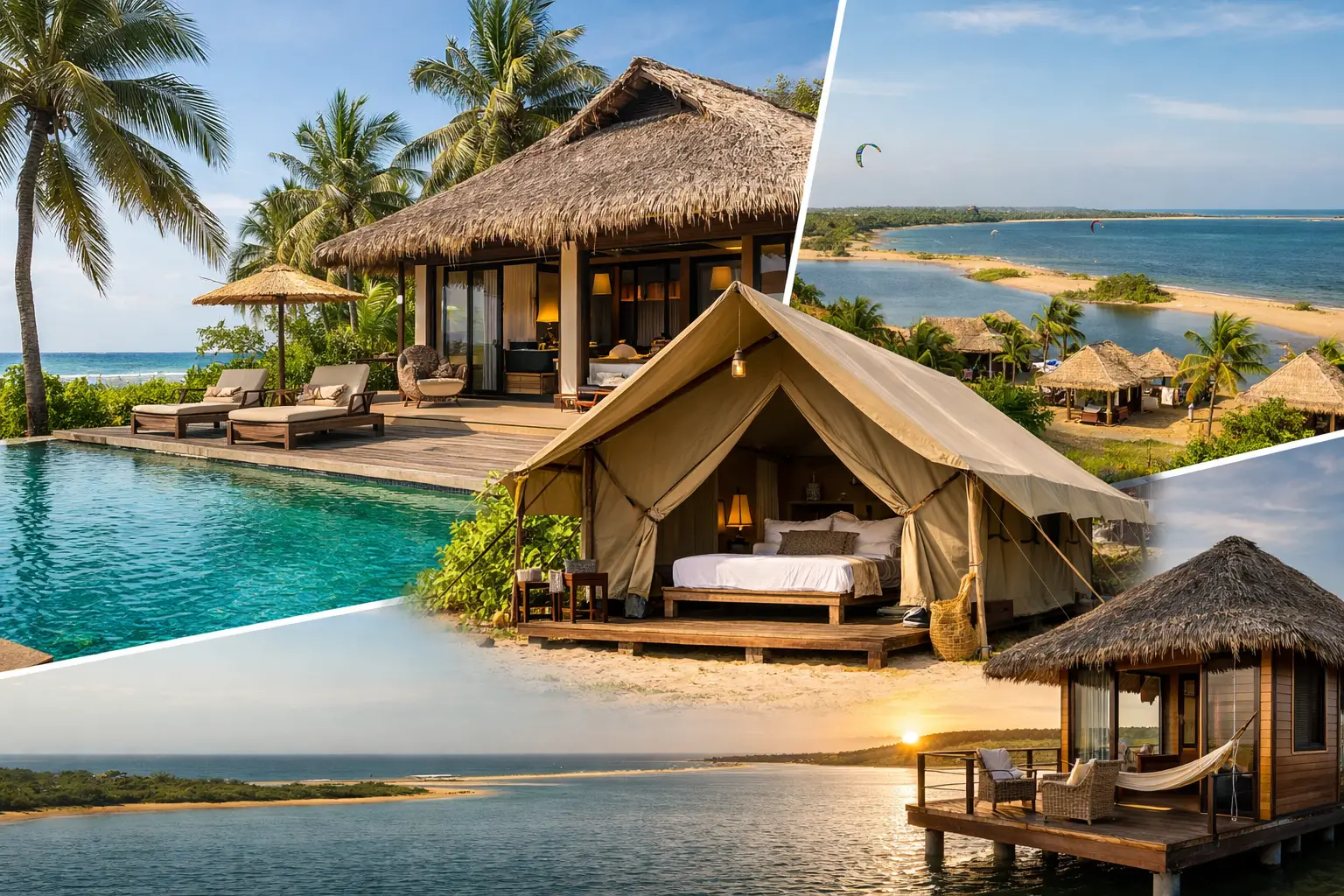
Kalpitiya can give you two very different vacations at once. Wake up to still lagoon water and palm-lined quiet, then spend the afternoon kitesurfing, snorkeling, or heading out by boat to spot dolphins offshore. That contrast is exactly why travelers start asking where to stay in Kalpitiya before they book anything else. In this part of Sri Lanka, your hotel choice shapes the whole rhythm of your trip.

Some visitors come for the wind and flat water. Others want a slower resort stay with good food, a pool, and enough space to switch off for a few days. Both are possible here, but not every property delivers the same experience. The best place for you depends on whether you want to be close to kite spots, tucked into a peaceful beachfront setting, or based somewhere that blends comfort with easy access to activities.

Where to stay in Kalpitiya depends on your trip style

Kalpitiya is not a one-note beach destination. It is better understood as a coastal region made up of lagoon edges, sandy stretches, fishing villages, and resort pockets. That means “best” is rarely universal.

If your trip revolves around kitesurfing, staying near the lagoon matters more than being in a generic beach hotel. If you are traveling as a couple, privacy and atmosphere may matter more than being closest to launch points. Families usually benefit from larger rooms, a pool, and on-site dining, because moving around with children adds friction quickly. And if you are mixing adventure with downtime, a resort that can arrange activities without making you give up comfort is often the smartest choice.

This is where Kalpitiya stands out from busier beach towns in Sri Lanka. It feels less crowded and less commercial, which is part of the appeal. The trade-off is that choosing the right base becomes more important. You want somewhere that fits the way you plan to spend your days, not just a room on a map.

The best areas to consider

Lagoon-side stays

For many travelers, especially kitesurfers, lagoon-side accommodation makes the most sense. Kalpitiya is known worldwide for flat-water conditions, and being close to the lagoon means less time in transit and more time on the water. It also creates a particular mood – breezy mornings, open views, and a real sense of being connected to the landscape rather than cut off from it.

This area is ideal for beginners taking lessons and for experienced riders who want quick access to sessions. It can also suit non-kiting travelers surprisingly well, especially if the property has strong resort features like a pool, comfortable rooms, and organized excursions. The only thing to consider is that some more sport-focused stays can feel functional rather than indulgent. If comfort matters as much as activity access, look closely at the room categories and on-site amenities.

Beachfront and sea-view resorts

If your version of Kalpitiya is more about a coastal escape than a sports trip, sea-facing accommodation may be a better fit. These stays tend to feel calmer and more scenic for long, unhurried days. They are especially attractive for couples, honeymooners, and anyone who wants a more polished holiday atmosphere.

The advantage here is obvious – more privacy, better sunset moments, and an easier shift into full vacation mode. The trade-off is that not every beachfront property is equally well set up for kitesurfing logistics or activity planning. If you want both beach relaxation and excursions, choose a resort that treats experiences as part of the stay, not as an afterthought.

Village-based guesthouses

There are also smaller local guesthouses and simple stays around Kalpitiya. These can be appealing for travelers on tighter budgets or people who prefer a more local, low-key experience. They often provide a closer connection to village life and can work well if you plan to be out all day.

Still, this option comes with compromises. Facilities may be basic, dining may be limited, and arranging transportation or water activities can take more effort. For some travelers that is part of the charm. For others, especially those on a short vacation, convenience matters enough to justify upgrading.

What kind of stay works best for different travelers

For kitesurfers

If kiting is the main reason you are coming, prioritize direct access, equipment support, and reliable lesson or rental options. A beautiful room means less if you are spending half your day arranging transport to the water. The best stay for kitesurfers usually combines comfortable accommodation with a clear understanding of wind, launch logistics, and guest routines.

This is also where a resort-style property can outperform a more basic kite camp. After a long session, having a pool, a proper meal, and a quiet room adds real value. Kalpitiya attracts serious riders, but it is also a place where beginners can learn in comfort rather than roughing it.

For couples

Couples usually want a balance of privacy, scenery, and a few memorable experiences built into the stay. A bungalow, suite, or villa can make a big difference here, especially if the property has thoughtful shared spaces, a good restaurant, and excursions like boat rides or dolphin watching.

The best choice is rarely the cheapest one. In Kalpitiya, atmosphere matters. You want somewhere that feels spacious and calm, where it is easy to spend a full day doing very little and still feel like you are exactly where you should be.

For families and small groups

Families need convenience more than they need minimalism. Larger rooms, flexible dining, a swimming pool, and staff who can help organize outings all make the trip smoother. Kalpitiya can be wonderful for families because the setting feels open and relaxed, but younger travelers often need a bit more structure than a simple guesthouse can offer.

A resort with activity options on hand tends to work best. One day might be kayaking or a boat trip, the next might be pool time and a slow dinner. That variety keeps the destination appealing for both active and less active travelers in the same group.

What to look for when choosing where to stay in Kalpitiya

The smartest way to book is to think beyond the room itself. In Kalpitiya, the stay and the experience are closely linked.

Start with location, but do not stop there. Ask whether the property is set up for the kind of trip you want. A resort with an on-site restaurant, spacious accommodations, water sports support, and organized excursions can save you a lot of planning once you arrive. That matters even more in a destination where you probably came for more than just the view.

Amenities also shape how restful the trip feels. A pool is not just a bonus after a day in the wind or sun. Good food on site means you do not need to think about every meal. Yoga, boat excursions, snorkeling, diving, and kayaking are not just add-ons either – they are often the moments that make Kalpitiya memorable.

It is also worth paying attention to the overall style of service. Some stays are simple places to sleep. Others are designed to carry the whole vacation, with staff helping coordinate activities, meals, transport, and downtime. If you are flying in for a limited holiday, that level of ease can make a big difference.

Why a full-service resort often makes the most sense

For many travelers, the best answer to where to stay in Kalpitiya is a resort that blends relaxation with direct access to the destination’s signature experiences. That is especially true if your group includes both active guests and people who simply want a beautiful place to unwind.

A well-positioned resort gives you options without making the trip feel complicated. You can spend the morning on the lagoon, return for lunch, take a swim in the afternoon, and head out again for sunset or an evening meal. That rhythm is part of Kalpitiya’s appeal, and it is easiest to enjoy when your accommodation supports it naturally.

Properties that offer a mix of rooms, bungalows, suites, or villas are especially useful because they fit different travel styles. Couples may want a more private category, while families often need extra space. If those options come with quality dining, a pool bar, and curated excursions, the stay starts to feel less like a booking and more like the vacation itself.

That is one reason travelers are drawn to places like Kitelantis. The appeal is not only the accommodation. It is the combination of comfort, scenery, and easy access to kitesurfing, diving, snorkeling, kayaking, and coastal experiences that turns a simple beach stay into a richer holiday.

Kalpitiya rewards travelers who choose their base carefully. Pick a stay that matches the pace you want, gives you room to relax, and makes the water, wildlife, and wide-open coastline easy to enjoy. Once that part is right, the rest of the trip tends to fall into place.

Choosing a Kalpitiya Kitesurfing Resort
Jun05

Some places ask you to choose between comfort and adventure. Kalpitiya is not one of them. Kitalantis gives you both – easy access to world-class flat-water conditions and a stay that still feels like a real vacation, with space to unwind, good food, and the kind of atmosphere that makes you want to stay a little longer.

That balance matters more than many travelers expect. A kitesurfing trip sounds simple on paper, but your overall experience depends on far more than wind. Where you sleep, how quickly you can reach the lagoon, whether lessons are handled well, and how easy it is to shift from active mornings to slow tropical afternoons all shape the trip. For couples, friends, families, and solo travelers alike, the best resort is usually the one that makes everything feel easy.

What makes Kitelantis Hotel & Resort worth booking

Kalpitiya has built a strong reputation for a reason. Its lagoon conditions attract beginners who want a forgiving place to learn and experienced riders who appreciate long sessions on flatter water. But not every property in the area is designed around that experience.

A true kitesurfing resort should do more than offer a nearby beach and mention water sports on a booking page. It should understand the rhythm of a kite holiday. Guests need comfortable rooms, but they also need practical support – equipment handling, access to lessons or rentals, smooth activity planning, and staff who understand that one traveler may want a sunrise ride while another wants a quiet breakfast by the pool.

That is where the difference shows. A standard hotel can give you a bed near the coast. A resort built around Kalpitiya’s outdoor lifestyle creates a more complete stay, one where your activities and downtime work together instead of competing with each other.

Location matters more than the room photos

Beautiful rooms are easy to advertise. The real question is how the property sits within your trip. In Kalpitiya, that means looking closely at access to the lagoon, transfer convenience, and the overall setting.

If kitesurfing is a major reason for your visit, proximity to launch points and lesson areas can make a big difference. Shorter travel times mean more time on the water and less friction in your day. This is especially valuable for beginners, who benefit from a more relaxed schedule and straightforward logistics. Experienced riders feel it too. When the wind is right, nobody wants to lose an hour coordinating transport.

At the same time, being close to the action should not mean giving up peace and privacy. Many travelers come to Kalpitiya for the setting as much as the sport – palm-fringed views, open skies, warm evenings, and a slower pace than busier beach destinations. The best resorts preserve that sense of escape while still keeping adventure within reach.

Rooms, villas, and comfort after the session

A day on the water is energizing, but it is still physical. That makes accommodation quality more important than it might seem when you are first planning the trip. After hours in the sun and wind, guests notice everything: room temperature, bed comfort, shower quality, noise levels, and whether the space actually helps them recharge.

For couples, a more private room or villa can turn a sport-focused holiday into something more romantic and restorative. For families or small groups, extra space matters even more. Bungalows and suites tend to work well because they give guests room to spread out, organize gear, and relax without feeling crowded.

This is one reason many travelers prefer Kitelantis Hotel & Resort’s environment over a basic sports camp. You may come to Kalpitiya for kitesurfing, but you will appreciate coming back to a pool, a calm dining space, and accommodation that feels thoughtfully designed. For guests who split time between activities and rest, that added comfort is not a luxury extra. It is part of the trip itself.

Lessons and rentals should feel welcoming, not intimidating

One of the biggest strengths of Kalpitiya is its appeal to both first-timers and returning riders. That makes the quality and tone of lessons especially important.

Beginners often need more than instruction. They need reassurance, good pacing, and an environment that feels safe and encouraging. A resort that integrates lessons into the guest experience can make that process much more enjoyable. Instead of arranging separate providers and unfamiliar transport, travelers can settle in, meet the team, and build confidence gradually.

For independent riders, rental availability and local guidance matter just as much. Conditions can vary, and having support nearby adds convenience and peace of mind. The right setup should feel organized without becoming rigid. Some guests want a full schedule. Others want the freedom to decide each day based on weather, energy, and mood.

That flexibility is often what turns a good stay into a memorable one.

Why amenities still matter on an active holiday

There is a common assumption that adventure travelers only care about the activity itself. In practice, most people want both movement and comfort. They want to wake up excited for the lagoon and still enjoy a relaxed dinner, a swim in the pool, or a quiet evening under the palms.

That is why resort amenities are not secondary. They shape the hours before and after your sessions. An inviting pool area gives non-kiting guests their own rhythm for the day. A good restaurant matters when you do not want to leave the property after an active afternoon. Yoga can be a welcome complement to time on the water, helping guests stretch, recover, and reset.

This matters even more for mixed-travel groups. Not everyone in a couple or family will kite every day, and some may not kite at all. A strong resort experience keeps the destination enjoyable for everyone. One guest can head out for lessons while another books a boat ride, relaxes by the pool, or joins a snorkeling trip. When a property supports different kinds of holiday energy, it becomes much easier to travel together.

A Kalpitiya kitesurfing resort should offer more than kiting

Kalpitiya is known for the lagoon, but the wider experience is part of its appeal. Many visitors arrive for kitesurfing and end up falling for the full coastal setting – the sea, the islands, the marine life, and the sense of open space that defines the area.

That is why it helps to book a resort that can connect you with more than one activity. Diving, snorkeling, kayaking, and boat excursions add range to your stay and make wind-dependent days easier to enjoy. If conditions shift or your body needs a break, you still have compelling ways to experience the destination.

For many travelers, that variety is what justifies staying longer. A short sports trip can be fun, but a resort holiday with multiple experiences feels richer and more relaxed. It gives you the freedom to build a trip around your own pace instead of forcing every day to follow the same pattern.

Who this kind of resort suits best

Kitelantis Hotel & Resort is an easy fit for active travelers, but it is not only for dedicated riders. It works especially well for guests who want one destination to do several jobs at once.

Couples often appreciate the mix of adventure and privacy. You can spend the day on the water, then shift into a slower evening with good food and a comfortable room. Families and small groups benefit from the same flexibility, especially when accommodation options range from standard rooms to larger villas or suites.

It is also a strong choice for travelers who are curious about kitesurfing but not ready to build an entire trip around a basic sports setup. A full-service resort softens the learning curve. You get the excitement of trying something new without giving up the pleasures of a proper beach holiday.

At Kitelantis, that combination is part of the appeal: a stay that feels polished and restful, paired with direct access to the experiences that make Kalpitiya special.

How to choose with confidence

If you are comparing options, look beyond the headline promise. Ask whether the property supports the full shape of your holiday. Does it offer accommodation you will genuinely enjoy spending time in? Are activities integrated in a way that feels convenient? Can both kiting guests and non-kiting guests have a great stay there?

Price matters, of course, but value is broader than the nightly rate. A resort that combines quality rooms, thoughtful amenities, reliable activity access, and a peaceful setting often delivers a better trip overall than a cheaper stay with scattered logistics. The best choice is rarely the one with the longest feature list. It is the one that feels most aligned with how you actually want to spend your days.

Kalpitiya has a rare kind of appeal because it lets you be active without feeling rushed and relaxed without feeling bored. Choose a resort that reflects that spirit, and your holiday starts to feel effortless from the moment you arrive.

Jan14

5 Top-Rated Beach Resorts in Sri Lanka

Located off the coast of India in the Indian Ocean, the island nation of Sri Lanka is a magical place to visit.

Beautiful scenery and outstanding beach resorts combined with an ancient culture; amazing local cuisine; and warm, welcoming people make it one of the world’s most popular vacation destinations. In most cases, it’s either on people’s travel bucket lists or on their list of the greatest destinations they’ve ever visited.

Sri Lanka beach resorts cater to all kinds of travelers. Families may like a large resort filled with activities and things to do, like Shangri-La’s Hambantota Golf Resort & Spa. Travelers looking for a romantic experience may prefer a more intimate beach resort like Amanwella. Chena Huts by Uga Escapes is the best place to stay for visitors who want to explore nature and wildlife, as it’s adjacent to Yala National Park.

For ideas on the best places to stay near the surf, sand, and sea check out our list of the best beach resorts in Sri Lanka.

1. Kitelantis Hotels and Resorts

Kalpitiya is located 130 km north of the Bandaranayke International Airport in Katunayake, while it is an exquisite coastal region located in the Western coastal belt, north of Colombo. Kalpitiya is a peninsula set in between the deep lagoon of Puttalam to the east and the magnificent Indian Ocean to the west. It is an unrivalled marine sanctuary with a diversity of habitats ranging from bar reefs, flat coastal plains, saltpans, mangrove swamps, salt marshes and vast sand dune beaches. City of Kalpitiya, Sri Lanka.

2. Shangri-La's Hambantota Golf Resort & Spa

Photo Source: Shangri-La’s Hambantota Golf Resort & Spa

Accommodation: Shangri-La’s Hambantota Golf Resort & Spa

Shangri-La’s Hambantota Golf Resort & Spa is probably the closest thing Sri Lanka has to a mega-resort. It’s a large resort in terms of size (the largest resort in Sri Lanka), with a wide range of activities, amenities, and dining, but it still retains an intimate, luxurious feel, as there are only 274 rooms (including 20 suites).

It’s also home to one of the island’s best 18-hole championship golf courses and is the only beach resort with its own 18-hole course, making it the best beach resort for golfers.

The rooms and suites are luxuriously appointed, and all have great views – some look out onto the lush tropical gardens, some have golf course views, and some face the ocean. They all have a tropical style with the Asian influence the brand is known for.

More than just some pools and a beach, the Shangri-La has a wide range of activities. It’s a great place to stay for families as there’s a circus trapeze and a full water park. There’s also an artisan village, which supports local craftspeople. You can visit and learn about (and buy) local artwork and crafts, and at night there are music and dance performances.

Kids are welcome at the Shangri-La with a kids’ club. They stay free in your room, and kids under six eat free at the buffet (kids six to 12 are charged 50 percent of the adult price). Bojunhala is the resort’s casual all-day dining restaurant (three meals a day) and Sera, open for dinner, serves Southeast Asian cuisine.

Shangri-La also has Shangri-La Colombo, a luxury hotel located in downtown Colombo, the Sri Lankan capital city. Travelers sometimes choose to spend their first or last night in Sri Lanka here, as it’s closer to the Bandaranaike International Airport (CMB) airport. The resort is a four-hour drive from CMB (or a 20-minute air taxi flight on local Sri Lankan airline Cinnamon Air).

Address: Sittrakala Estate Chithragala, Hambantota, Tangalle 82000 Sri Lanka

3. Anantara Peace Haven Tangalle Resort

Photo Source: Anantara Peace Haven Tangalle Resort

Accommodation: Anantara Peace Haven Tangalle Resort

This beach resort is also in the Hambantota region, located near the town of Tangalle. The Anantara Peace Haven Tangalle Resort occupies a 42-acre former coconut plantation on the southern coast of Sri Lanka. Like a postcard, it sits on a magical crescent-shaped stretch of golden-sand beach with turquoise water, backed with a line of palm trees and grassy areas.

There are 152 rooms and villas; all face the ocean. The villas are freestanding luxury units with their own private plunge pools. Some face the ocean, and some have direct ocean access. All the villas come with a butler, called a Villa Host.

All rooms have a large, furnished balcony or terrace with ground-floor rooms providing direct beach access. The resort is wrapped around a central ocean-facing infinity pool. Sun loungers are lined up on an expansive wooden deck.

Anantara Resorts are known for their spas, and the Anantara Spa has a wide range of beauty and body treatments. A selection of Ayurvedic healing treatments are also available. The spa has a yoga studio and a schedule of yoga classes.

There are three restaurants to choose from along with a lobby lounge and a poolside grill. You can also do their Dining by Design personalized dining experiences in unique locations like a clifftop or the beach. The resort’s Spice Spoons program matches guests with local culinary experts and chefs to collaborate in a cooking class/dinner.

Address: Goyambokka Estate., Tangalle 82200 Sri Lanka

4. Aditya

Photo Source: Anantara Peace Haven Tangalle Resort

Accommodation: Anantara Peace Haven Tangalle Resort

This beach resort is also in the Hambantota region, located near the town of Tangalle. The Anantara Peace Haven Tangalle Resort occupies a 42-acre former coconut plantation on the southern coast of Sri Lanka. Like a postcard, it sits on a magical crescent-shaped stretch of golden-sand beach with turquoise water, backed with a line of palm trees and grassy areas.

There are 152 rooms and villas; all face the ocean. The villas are freestanding luxury units with their own private plunge pools. Some face the ocean, and some have direct ocean access. All the villas come with a butler, called a Villa Host.

All rooms have a large, furnished balcony or terrace with ground-floor rooms providing direct beach access. The resort is wrapped around a central ocean-facing infinity pool. Sun loungers are lined up on an expansive wooden deck.

Anantara Resorts are known for their spas, and the Anantara Spa has a wide range of beauty and body treatments. A selection of Ayurvedic healing treatments are also available. The spa has a yoga studio and a schedule of yoga classes.

There are three restaurants to choose from along with a lobby lounge and a poolside grill. You can also do their Dining by Design personalized dining experiences in unique locations like a clifftop or the beach. The resort’s Spice Spoons program matches guests with local culinary experts and chefs to collaborate in a cooking class/dinner.

Address: Goyambokka Estate., Tangalle 82200 Sri Lanka

5. Uga Chena Huts

Photo Source: Uga Chena Huts

Accommodation: Uga Chena Huts

Chena Huts is a luxury cabin resort from Uga Escapes, which operates several hotels and resorts in Sri Lanka. It combines two of the best things about Sri Lanka: the incredible wildlife and magical, unspoiled beaches.

It’s directly adjacent to Yala National Park and right next to the beach. There are only 14 cabins on seven acres of land, offering privacy and seclusion, which can be hard to find at some of the larger resorts.

The cabins are large and can accommodate families of up to four people. Each luxurious cabin has its own private plunge pool, a large living space, and a full bathroom with a freestanding tub.

Aside from the beach, the big thing to do here is safari expeditions into the tropical jungle of the national park. Yala National Park has the world’s largest population of leopards, and guests can go on photo safaris and game drives to find them and the hundreds of other animals found here.

When you want to relax, the resort has a surprisingly full-service spa, along with a large outdoor pool with waiter service. There is one main restaurant called Basses, the resort will also prepare and serve meals on the beach and at other locations by request.

Address: Diyabunwala Kele, Palatupana, Yala National Park 82600 Sri Lanka

Oct17

Discovering Paradise: A Luxurious Retreat in Sri Lanka's Finest Resorts

Sri Lanka, the resplendent teardrop island nestled in the Indian Ocean, offers a unique blend of captivating natural beauty, rich culture, and warm hospitality. For travelers seeking a taste of tropical luxury, Sri Lanka’s finest resorts provide an enchanting haven. With pristine beaches, lush jungles, and vibrant history, these resorts offer the perfect setting for an unforgettable escape.

  1. Amanwella, Tangalle: Where Serenity Meets the Sea

    Amanwella, located in the serene coastal town of Tangalle, is a haven of tranquility. This resort features a minimalist design, accentuating the natural beauty surrounding it. Each suite offers panoramic ocean views and a private plunge pool. Guests can indulge in yoga, spa treatments, and delectable Sri Lankan cuisine, all while being caressed by the gentle ocean breeze.

  2. Ceylon Tea Trails, Nuwara Eliya: The Highlands’ Hidden Gem

    Nestled in the lush tea plantations of the central highlands, Ceylon Tea Trails is a masterpiece of colonial-era charm. The resort comprises a collection of restored tea planter bungalows, offering guests a glimpse into the island’s colonial past. Activities include guided tea plantation walks and boat rides on the picturesque Castlereagh Lake.

  3. Ulagalla, Anuradhapura: Heritage Meets Luxury

    For history enthusiasts, Ulagalla is a unique sanctuary. Situated in the ancient city of Anuradhapura, this resort sprawls across a 58-acre estate featuring a 150-year-old mansion. It offers a seamless blend of luxury, nature, and cultural exploration. Guests can explore the UNESCO World Heritage Sites nearby and relax in private pool villas surrounded by paddy fields.

  4. Shangri-La’s Hambantota Golf Resort & Spa: A Golf Lover’s Paradise

    Shangri-La’s Hambantota Golf Resort & Spa caters to both golf aficionados and those in search of relaxation. The resort boasts an 18-hole golf course with breathtaking ocean views, making it a golfer’s dream come true. After a day on the greens, guests can unwind at the spa or savor delectable dishes from around the world.

  5. Wild Coast Tented Lodge, Yala: Safari-Style Elegance

    Wild Coast Tented Lodge is a safari-inspired resort nestled on the fringes of Yala National Park. Accommodations are luxurious tents with all the amenities you’d expect from a high-end resort. Guests can embark on unforgettable wildlife safaris, observing leopards, elephants, and a variety of other wildlife in their natural habitat.

  6. Tri, Koggala: Sustainability Meets Style

    Tri is a haven for eco-conscious travelers. This luxurious resort is set on the tranquil shores of Lake Koggala and prides itself on sustainability and minimal environmental impact. Tri offers an organic farm-to-table dining experience and unique accommodations that blend seamlessly with the lush landscape.

Jan02

FIRST DATE

Full of confidence, I walk towards my kite instructor, my new kitesurf outfit shining in the sun and my hair waving in the wind. I think to myself  “I am going to be one of them now, a kiter, riding over water and flying through the air. (Imagine the song Oh girl, the chi-lite playing in the background.)

My kite instructor hands over a harness that looks like a massive diaper. I try to get in while laughing at myself. As if this wasn’t enough, the safety vest, the fluorescent orange bowling ball helmet and my face fully covered in white sunblock like a ghost, make me look nothing like the hot kite chix you see flying high on photos in kite magazines. Flopping in my neoprene booties, I follow my instructor on the beach He starts by drawing the wind window in the sand, explains the hand gestures to communication on distance, the power zone, wind directions, and kite setup. Before I even know it, we are walking towards the lagoon, and so my flirting with the kite begins.

I try to get confident and bit by bit, pull by pull, I manage to lead the kite in the direction I want. Two hours later I receive an enthusiastic high five from my kite instructor! This feels awesome and I can’t wait to actually get on the board and ride away. I’m progressing fast and I feel confident that the kite and I are on the same line.

THE DANCE

My second session is all about body dancing (I mean dragging). Sounds like fun, right? It starts very well, I get my kite under control and drag myself downwind. The bar in one hand, my kite at 10:30 or 1:30 and my other hand leading me in the right direction. I feel as if I was ballroom dancing, (In my head I hear Hungry Eyes – Dirty dancing).

I’m dragging downwind easily, so now it’s time to go upwind. And upwind we go, or at least try to! All of a sudden I completely lose control over my body, I’m still trying to keep my kite under control, but I’m gasping for air. The waves are slapping me in the face and instead of air I’m inhaling loads of water, and I mean loadssss!

I hear my instructor in the far distance “don’t pull the bar, don’t pull the bar, control your body” I try to control it all, but I’m tired and I feel completely defeated. My kite instructor makes an announcement that the lesson is over. My confidence went downwind and my insecurities upwind. My instructor tells me I’m making progress, but I have to keep my body under control and stop pulling the bar so hard. He sounds disappointed while I’m struggling to catch my breath and sip on my water, thankfully not salt water this time!


MOOD SWING CHALLENGE

As I’m getting ready for my next lesson I notice that I’m having mixed feelings about it. I look for my diaper harness, the one with the leg straps, but I’m finally handed the normal (waist) harness. I put on my war paint (sunblock), collect my gear and get ready for battle.

I start setting up my kite. As I’m struggling with the lines, one of the beach boys comes up and says; “good luck, the wind is gusty and the water is choppy today” and walks on. My confidence drowns and I feel my fear rising… Thanks a lot, Machan (friend in Sinhala)!

My instructor glides over the water while explaining the next steps, I’m trying to focus but I feel my charming neoprene booties itch. I encourage myself to clear my mind. My instructor hands over the kite. I take a deep breath in and exhale out. I send my kite from 11 to 2 and, believe it or not, I stand up! WHAT!?

I was up for, like, 5 sec then I fell back down, but that was enough to boost my confidence and make me feel like I accomplish the board start. I’m back on track!

I try again, this time I hear my instructor saying to pull the bar. I look back, he sees that I’m confused and he explains again “Now you want the power so you need to pull the bar in order to create enough power to pull yourself up onto the board and stand.” I try to get myself up for the second, third, and fourth time, I’m pulling the bar, I’m not sure why but this time I fly … high … then land on the water which feels like concrete. For two seconds my legs are tingling and my body hurts. I stand up, take control of the kite, and bravely try again, and again, over and over, but my kite and I are in battle. I notice that I’m getting scared.

I try again, this time very slow I think to myself “I can get up!” then get another smack in the water, lose my board, drift downwind and just try not to panic. I feel frustrated, but I start over again. It becomes clear that I got lucky the first time.

My instructor calls me back to shore, I worry the session is over but he seems happy with my achievements and sends me back to try again. I think he’s just trying to encourage me and feel like I’m failing. While walking the walk of shame back upwind, my thoughts are bouncing between “Maybe this is not my sport?” and “come on girl you can do it!”

Well, at least I improved my body (dancing) dragging while trying to fetch my board that was lost in the water. I laugh at myself and grab the kite with both hands, I whisper an encouraging “okay” to myself and start over. Kite on 12, grab board with one hand, get both feet in the  straps, keep my knees bent, keep the kite at 12 (during the struggle), keep my body under control, slightly steer kite and body to 11, faster to 2, pull the bar while standing up, point board, and look in the direction you want to go.  I’m swearing, trying to get myself back together and try again. This goes on and on. While I’m struggling, my respect rises for all kiters as I realise that this is more a mental challenge than a physical one.

The lesson is over and I’m slightly frustrated and a little mad at myself, the kite and my apparent lack of progress. My instructor laughs, “It is very important to learn how to crash, and you learned a lot today.” I answer with a sarcastic “haha.”

THE DOUBTS

I think I’m ready … or maybe not. There is no turning back now. The kite looks down at me and before my kite instructor sends me back into battle he says  “it’s time to practice as much as possible. You are one with the kite, and remember that every move the kite makes, is because you lead it there.”  I feel like little kid that needs to say she’s sorry, I look up and force a little nod towards him.

I struggle for a while and then something unexpected happens. With each pull, I feel more comfortable and more confident. I actually start to like it! Every time I’m in control, or lose control of the kite, I learn something new. I accept that I need time and practice, and I let go of all my frustrations and expectations. I realise that this process of progress can be fun. I manage to get on the board a couple of times and ride a few meters…

I just did it!! When you at least expect it, it is just there, “the connection”. And WOW this is amazing, I hug my kite instructor “what a feeling, machan!”


I THINK I’M HOOKED

I caught myself early morning glimpsing through the curtain, looking at the palm trees to see what the wind is like. I’m sitting at the breakfast table fully excited to go and kite. My instructor approaches me and we need to reschedule today’s lessons for tomorrow or even the day after. I´m disappointed. “This is part of the game” he smiles “you can control the kite but you can´t control the wind”. I notice a song (When will I see you again – The three degrees playing in the background, is this a coincidence?)

I’m constantly talking and dreaming about kiting…. even putting my hands randomly in the air to practise the movement. I want to kite and progress, ride more and get comfortable with the kite and the board. Tomorrow we ride! They see me riding (rolling) Chamillionaire – Ridin’ ft. Krayzie Bone plays in my head.

YES, DEFINITELY HOOKED

I jump out of the safety boat (again), start pumping up my kite (again), walk back to my starting point (again) and start over (again). A couple of hours pass like this and I feel blessed and happy. My confidence rises and I get slightly better each day, I get rid of the safety gear. Riding over the water I smile, look up to the kite, and make the victory sound. Whoeohoeoeo!!!

My smile shining in the sun and my hair waving in the wind. I notice that I am one of them now, “a Kiter”

Jan02

You’ve probably heard it a few times, learning how to hydrofoil is hard, difficult, tough, painful, scary… ⁠⁠But hey, nothing good ever comes without effort! Hydrofoiling shouldn’t scare you as it is perfectly⁠ safe and not too hard to master if you learn in a safe environment.⁠

We’ve put together a little blog post to help you master the waterstart, and we’re also running foiling lessons all winter!⁠

FIRST THINGS FIRST
In our Vayu blog, we gave an introduction about hydrofoiling and what the right setup for a beginner should be, let’s recap;

1 : Choose a big board with loose straps

2 : Start with a short mast

3 : Choose a big wing

4 : Choose a kite size that is balanced and stable, preferably the same as you would on a twin-tip

Now that you’re all set up and ready to go, make sure to go somewhere with deep enough water so you don’t risk damaging your board. The perfect conditions, of course, would be where you can still stand but the wing is not able to hit the bottom. When entering the water, lift the mast above the water and continue walking until you’ve reached an adequate depth.

You’ve probably heard that foiling is ideal for light wind conditions, and that’s true, however, when learning how to hydrofoil, it’s best to go out in normal conditions. You won’t have to move the kite too much and waterstart will be a lot less difficult. Also, make sure there are no obstacles nearby and you have lots of open space downwind. Furthermore, wear a helmet and lifejacket and if possible, shin protection too.

WATERSTART WITH A HYDROFOIL BOARD

So you’re in position, the wind is blowing through your hair, the stoke is rising, you are ready! Let’s go!


1 : Kite movement

The kite movement for kitefoiling or hydrofoiling isn’t different from twin-tip riding. As mentioned before, learning the waterstart on a foil board is better when you’re using (loose) foot straps. Position the kite at 12 o’clock and connect your feet to the board. Next, you’ll want to send the kite downwards and back up until you’ve reached enough speed. Pull the bar in and turn when the kite is going downwards and let the bar out when the kite is going upwards. Keep the kite at 45 once you’re well balanced and powered up.


2 : Board movement

When you’ve sent the kite downwards and you get that first boost of power, position the board downwind and get up on the board in a level position. The board is still on the water and not yet floating through the air. It’s very important that you put some pressure on your front foot instead of on the back foot like you would do when you ride a twin-tip. It’s all about the front foot when you’re hydrofoiling. Try to maintain balance, keep the board on the water, and ride in a stable position downwind with the kite at 45.


3 : Lifting the board out of the water

It’s the moment of truth, you’re riding comfortably downwind and you want to start flying. Slowly but steadily, start putting a bit of pressure on your back foot. Make sure not to push the back foot too hard in one go but ease into it. The board doesn’t need a lot to get out of the water and to much pressure on the back foot will result in a catastrophic launch out of the water. Once the board starts to lift out of the water, it’s time to balance it by pushing on the front foot again. You’ll need some time to master it so be patient and try to lift the board out of the water a few times until you’ve mastered balance while still keeping the board level and downwind.


4 : Riding upwind

Now that you’ve mastered riding in a level position, it’s time to lean a bit backwards like you would do on a twin-tip. Keep the board balanced by applying pressure on the front and back feet as you’ve learned before. When you have enough speed and the kite is in a stable position, this step shouldn’t be too hard and most people will get in the upwind position easily as it’s the same position when riding a twin-tip.


5 : Turning

At first, it’s a good idea to stop after 100 – 200 meter, fall in the water and turn the board by hand before riding back. After mastering the previous steps, it’s time for you to start turning the board in a without it ever touching the water. Again, it’s all about the front foot! First, tilt your body in the position you want to go. next, you’ll want to move your front foot in this direction as well. The board will follow this movement and start turning. Stop the turn again by using your front foot while maintaining balance.

HOW TO CRASH SAFELY

When learning how to hydrofoil, or any new skill really, crashing is inevitable but don’t let this bring you down, practice makes perfect. Make sure your foot straps are loose so you can ditch the board whenever you’ve become unbalanced, you do not want to get hit by the mast when you fall. Whenever you crash, you want to move as far away from the direction the board is going in, so try to crash forward away from the board. Keep your distance from the board until it has come to a complete standstill.

Remember to always wear a helmet, a lifejacket and, if possible, shin protection too.

Jan02

We kitesurfers spend a lot of time in the sun and we’d be burned (pun intended) without a little help from our trusted sunblocks and zinc sticks. Today we’d like to raise some awareness on this topic. We’ve been gifted with seas and wind which are essential for a good kitesurfing session and it is our duty to preserve the oceans and help them heal.

Sunscreen was invented in the 1930s and has since become an essential product to protect against sunburn, and against cancer too. The industry has evolved quickly and today there are hundreds of sunblocks on the market. There are two main types of sunblock available – chemical and mineral, and in the recent years concerns have arisen about the safety of the ingredients used – for humans and marine life alike.

Sunscreen gets (at least in part) absorbed by your skin potentially harming your body, and what doesn’t get absorbed, runs off your skin and disperses in the water. Even if you don’t swim after applying sunscreen, it can go down drains when you shower. Spray versions of sunblock can get dispersed in the air and onto the sand, where it gets washed into our oceans. Studies show that some of the chemicals used in sunblocks contribute to coral bleaching and harm the already retracting reefs. And other studies indicate that some chemicals might be harmful to your health as well, however, scientists admit that the evidence from these studies is not conclusive. Conclusive or not, we opt to stay away from sunblocks containing oxybenzone, octinoxate, homosalate, octocrylene, avobenzone and nano-particles and opt for safer mineral sunblocks, Lycras and hats to protect us against the sun.

INGREDIENTS TO AVOID:
Haereticus Environmental Laboratory, which studies the effects of personal care produscts on coral reefs, has compiled a list of chemicals that can have a negative effect on the marine ecosystems. This list includes:

any form of microplastic sphere or beads

any nanoparticles like zinc oxide or titanium dioxide

oxybenzone

octinoxate

4-methylbenzylidene camphor

octocrylene

para-aminobenzoic acid (PABA)

methyl paraben

ethyl paraben

propyl paraben

butyl paraben

benzyl paraben

triclosan

WHAT SUNSCREEN SHOULD YOU BUY?
We recommend to always check the ingredients label on your sunblock before buying and avoid the chemicals listed above. You’ve probably noticed that zinc oxide and titanium dioxide are also listed above, but this refers to nano versions only. Most mineral sunblocks on the market contain zinc oxide and titanium dioxide that are non-nano in size and are considered safe.

Another thing to keep in mind is the origin (shipping of products has it’s own CO2 footprint implications) and packaging. Most sunblock comes in plastic containers which constitute another issue for the ocean and environment in general. If possible, opt for a mineral sunblocks in a metal or glass container, or at least make sure the packaging is made of recycled plastic. Recycled and reused is always better than single-use.

CAN I MAKE MY OWN DIY SUNBLOCK?
Of course! Making your own sunblock is fun and when you follow a good recipe it is also safe for your skin and the reefs. We recommend you research the ingredients to ensure the recipe you’ve chosen is safe. Please keep in mind that homemade products can’t be properly tested in labs for effectiveness and may not provide proper sun protection. You can buy actual UV-blocking ingredients online (like non-nano zinc oxide), but you need to make sure that they are stable and safely mixed.

Join our sustainability workshops to learn how to make your own skin & coral safe sunblock or help us create a healthier and greener Sri Lanka by joining our Kite Green Initiative.

Jan02

Being able to breathe underwater, hang around with turtles, rays, beautiful coral and having the time of your life! All of this is possible if you master the technique of scuba diving. It’s not hard, it’s not scary, but it will literally take your breath away. Read on as Daniel tells you about his personal experience with diving and how you can become a divemaster too.

ABOUT DIVING IN SRI LANKA
I remember my first dive in Dahab, Egypt. I was a bit nervous, just like everyone else at the start. But once underwater I fell in love, I had such an amazing experience that I decided I would like to become a dive instructor one day. Only 9 years later I started my dream job and I have been working as a dive instructor for 5 years already (Thailand/ Indonesia and Australia). Think about it, the world exists for 71% of water and only 29% of land. So imagine how much you miss out on if you don’t dive!

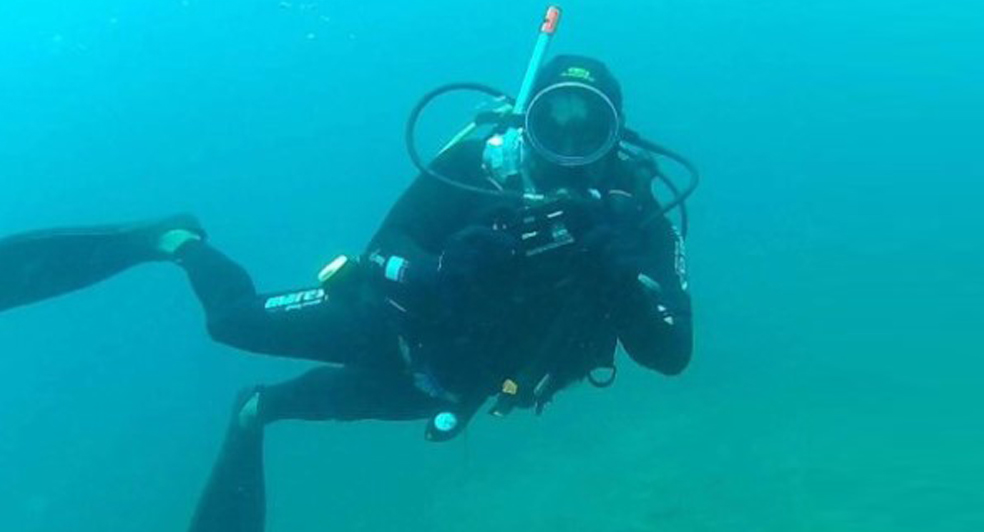
I came to Sri Lanka for kitesurfing, but once here I found out there is also a lot of diving opportunities! I immediately booked a trip with #1 dive school in Kalpitiya Diving Center. It’s owned by Samith (Sam) and his family. His father brought diving to Sri Lanka in the 70’s and it feelt like diving with royalty! The tour started in the morning with tea and a thorough briefing while the staff organized our gear. The reef is only 30 minutes away from the shore, but first we stopped by the customs check to pay a small national park fee – make sure you have a bit of cash (1500 LKR per person). The boatmen are excellent handlers so it’s a comfortable ride. Water and snacks are provided at surface intervals.

The diving was great, I didn’t expect much, especially because I already have around a 1000 dives and have seen most of the marina life out there. But wow! I have seen more octopuses in one dive here than in my whole diving career. The diving is pretty shallow (12-15m) so our dive times were 60 and 71 minutes which is great. We also saw a lot of big moray eels, a massive mangrove whip ray and loads of other cool stuff. On the way back, a pod of dolphins joined our boat and played in the wake, what an incredible experience that was!

Once back on land, Sam invited us to have lunch and a laugh with his family, he also showed us some of his Dad’s diving history. We had the most amazing day and I cannot recommend Sam and KDC enough. A really lovely all-round experience!

What do I need to go diving?

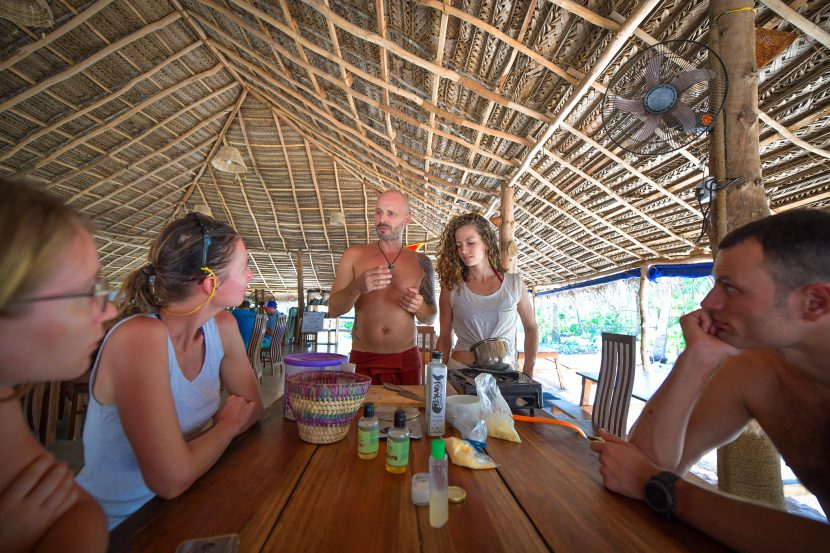
A smile, a good sense of humour and a fascination about the underwater world. We dive with a special gear set that includes a wetsuit, mask, fins, regulators, BCD and a weight belt. But you don’t have to worry about that, this is all provided by the dive school and you’ll learn how to use all that gear with them.

Is diving safe?

Diving is super safe. It is actually one of the safest extreme sports that exist. The reason for this is that everyone dives with a buddy, in the so-called buddy teams. Every buddy, including yourself, has a backup air system. Even if your backup fails, you always have your buddy’s backup system to rely on to make your way back to the surface.

How do I learn how to dive?

There are a few levels in diving. The more courses you do, the more interesting it becomes!


Discover scuba diving

This is like a try dive. You go 1 on 1 with an instructor for a dive down to a maximum of 12 meters. There is no previous diving experience needed, this is purely to meet the beauty of the ocean and to see if diving is for you. There is only a little bit of theory involved to prepare you for your adventure. This will not give you a diving license, but it is an amazing experience and it will give you a good taste for what diving really is!

PADI Open Water

Do you want to take things to the next level? Then this is the first level of certified diving.

At the end of the PADI Open Water course, you will be a knowledgeable and safe diver. You will be certified to buy or rent dive gear and you’ll able to dive with a buddy down to 18 meters. This course takes about 3 days and it is divided into three parts: theory, pool, and 4 open water dives.